Dental Bridges
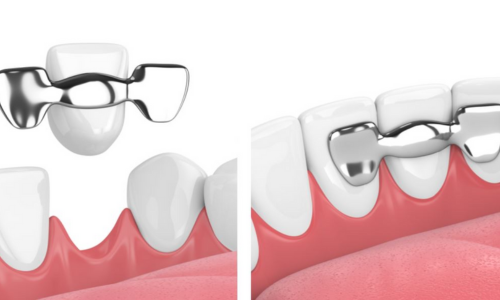
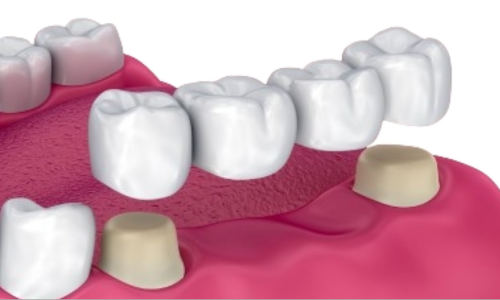
A dental bridge is a fixed prosthetic device used to replace one or more missing teeth by anchoring to adjacent natural teeth or implants. It helps restore function, aesthetics, and bite alignment while preventing teeth from shifting.
Types of Dental Bridges
- Traditional Bridge – The most common type, supported by crowns placed on adjacent natural teeth. It is strong, durable, and ideal when healthy teeth are available on both sides of the gap.
- Cantilever Bridge – Used when only one adjacent tooth is available for support. It is a good option for replacing missing teeth in areas with less stress, such as the front teeth.
- Implant-Supported Bridge – Instead of using natural teeth for support, this bridge is anchored to dental implants. It is highly stable, preserves jawbone structure, and is ideal for multiple missing teeth.
Benefits of Dental Bridges
- Restores Chewing and Speaking Ability – Helps you eat and speak comfortably by filling the gaps left by missing teeth.
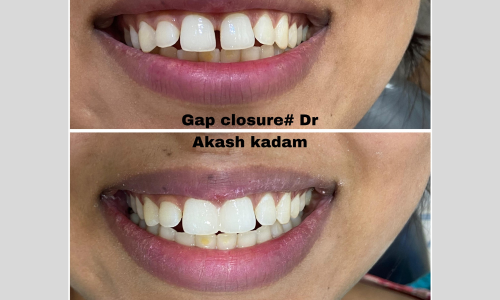
- Enhances Smile Aesthetics – Improves the appearance of your teeth, giving you a natural and confident smile.
- Prevents Teeth from Shifting – Missing teeth can cause adjacent teeth to move out of alignment; a bridge keeps them in place.
- Maintains Facial Structure – Prevents the sunken appearance that can occur due to tooth loss, preserving a youthful look.